Possessive Pronouns

Understanding possessive pronouns helps writers and speakers clarify who owns or relates to a noun in a natural and fluid way.
What Are Possessive Pronouns
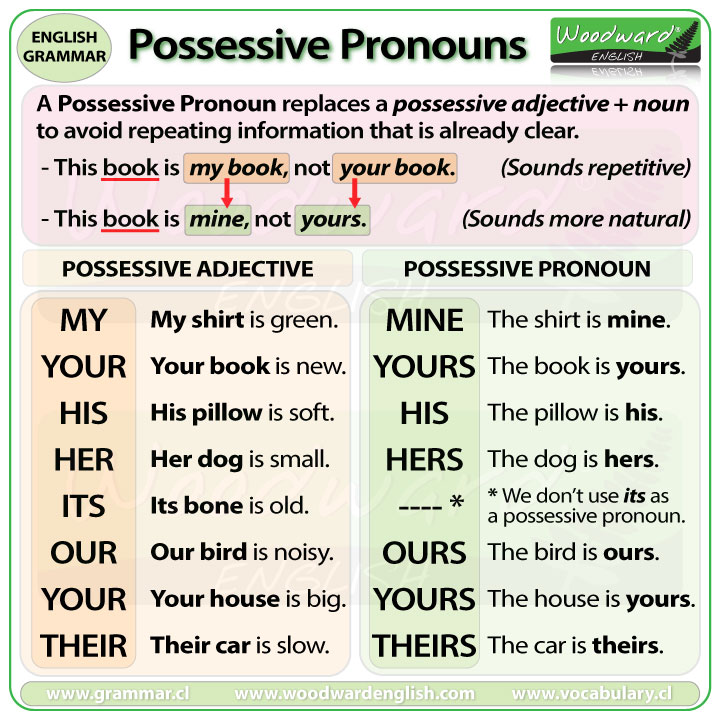
At their core, possessive pronouns are words that replace a noun phrase to show ownership or possession without repeating the noun. Instead of saying "my book" every time, you can simply say "mine" when the context is clear. These pronouns stand in for the thing possessed and make sentences smoother, especially in everyday speech and informal writing.
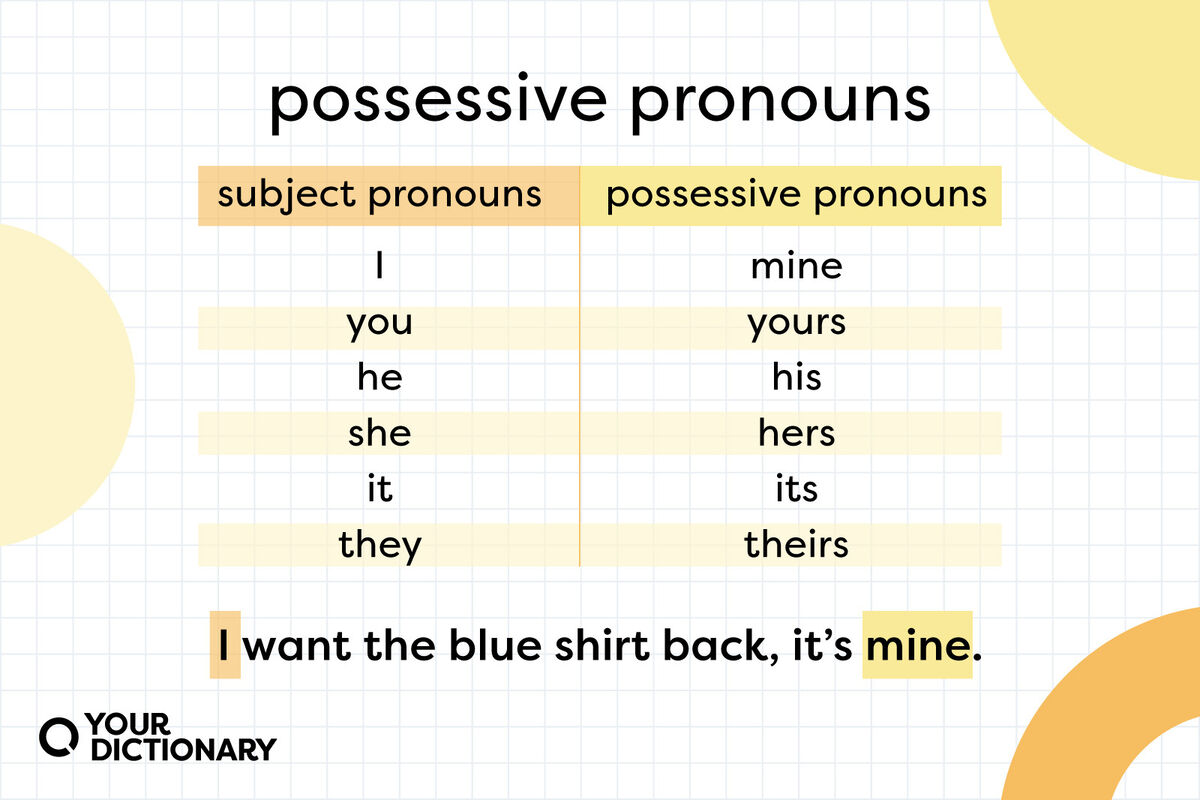
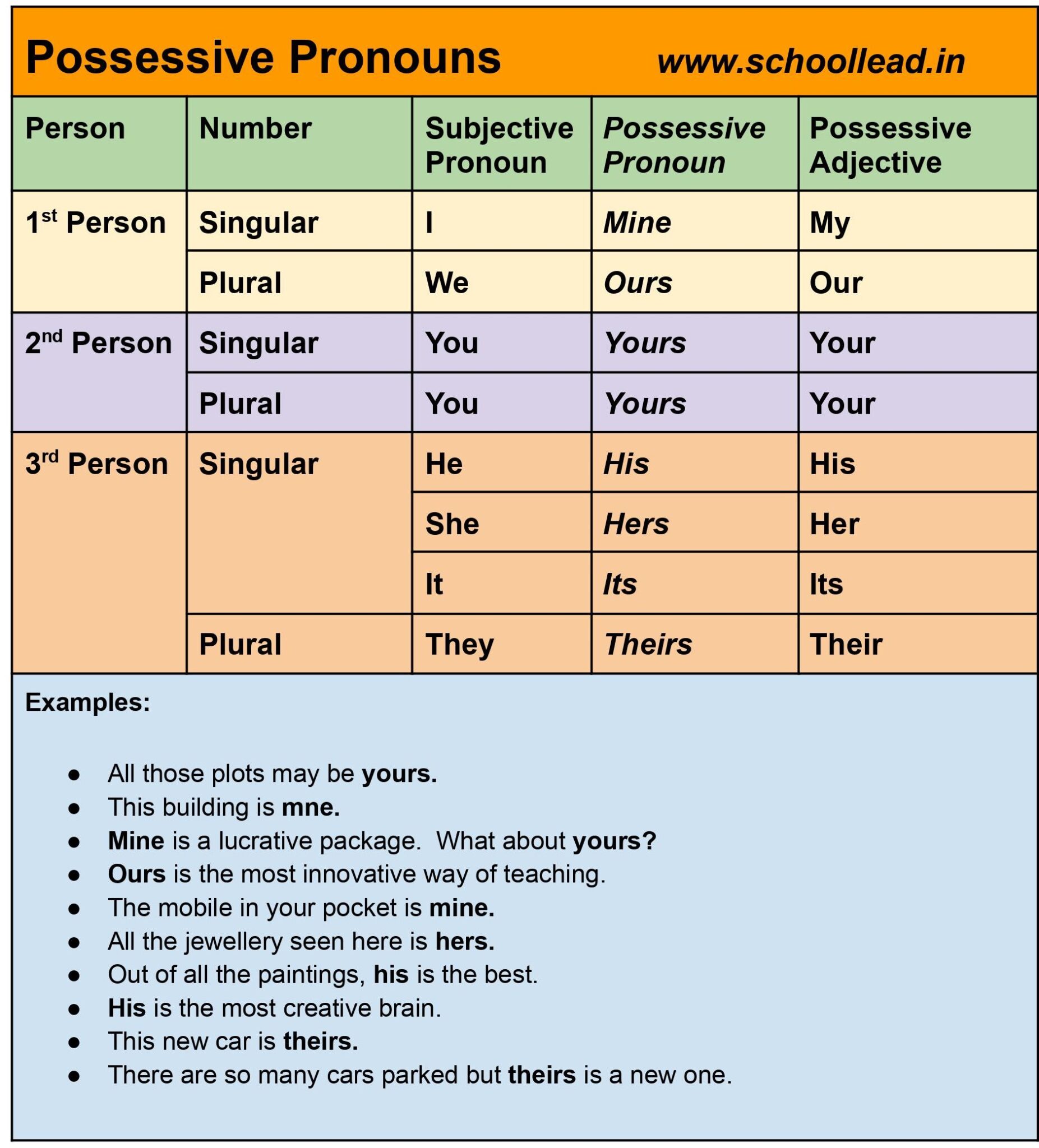
Common examples include mine, yours, his, hers, ours, theirs, and whose. Each one points back to a person or people previously mentioned or easily identified from context. Because they eliminate repetition, possessive pronouns help you sound more natural and avoid awkward, lengthy constructions that might confuse your reader or listener.
How to Use Possessive Pronouns Correctly
Using possessive pronouns correctly starts with matching them to the subject or noun they refer to. For singular people, you have his for males and hers for females, while yours, mine, and theirs work for any gender. For plural groups or when referring to more than one person, we use ours and theirs. Paying attention to number and context ensures that your meaning stays precise.
- Replace repetitive noun phrases: "That is my bag" becomes "That bag is mine."
- Clarify relationships in conversation: "Is this your phone or his?" highlights ownership clearly.
- Avoid ambiguity by ensuring the antecedent is obvious: if several people are mentioned, choose a pronoun that matches the intended owner.
In written English, especially in formal contexts, it can help to repeat the noun or use a descriptive phrase if the reference might be unclear. This keeps your message transparent even when you are trying to be concise.
Possessive Pronouns vs Possessive Adjectives
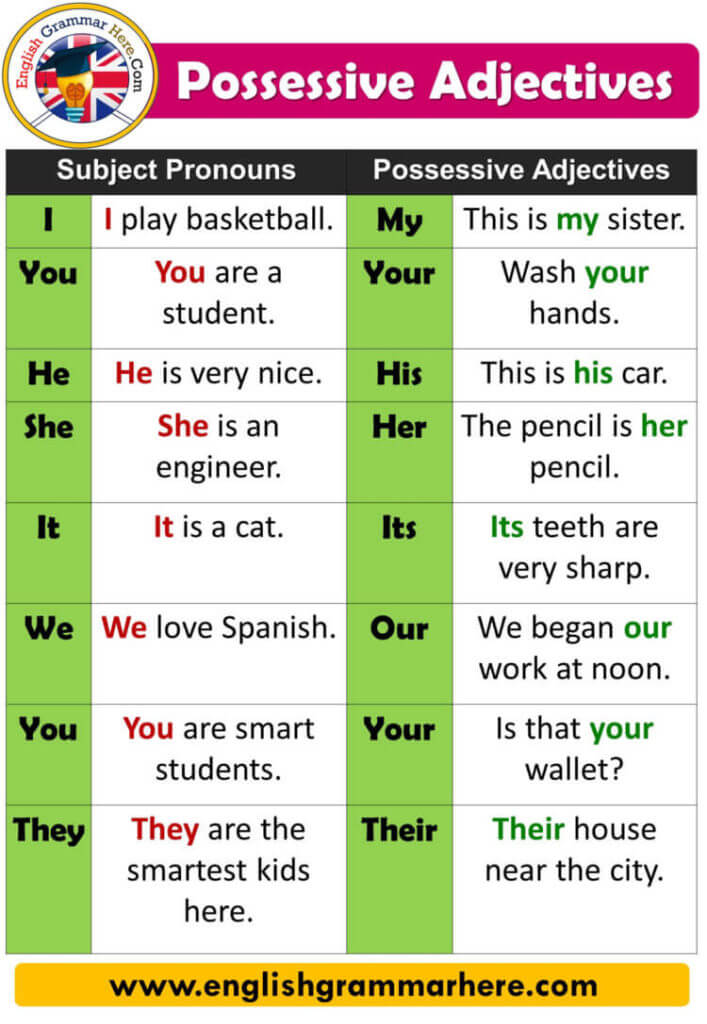
Many learners mix up possessive pronouns and possessive adjectives, but they play different roles in a sentence. Possessive adjectives such as my, your, his, her, our, and their appear directly before a noun to modify it. In contrast, possessive pronouns replace the noun entirely and do not need a following noun to be complete.
For example, in "This is my car," the word my is a possessive adjective because it sits in front of the noun car. In "This car is mine," the word mine is a possessive pronoun because it stands in for my car. Recognizing this difference helps you choose the right word and avoid awkward phrasing or grammatical errors.
Common Mistakes and How to Avoid Them
One frequent error is using a possessive pronoun where a possessive adjective is required, or vice versa, which can make a sentence sound off to native speakers. Another issue is vague reference, where it is not clear who "his," "hers," or "theirs" actually refers to, leaving your reader guessing.
- Double-check that the pronoun agrees in number and gender with the person or people who own the thing.
- When in doubt, repeat the noun or add a clarifying phrase instead of relying solely on the pronoun.
- Listen to how native speakers use these words in conversation and notice the patterns in everyday dialogue.
Reading your sentences aloud can quickly reveal whether the ownership relationship is clear and whether you have chosen the correct form. Over time, these small checks become habits that improve your accuracy and confidence.
Possessive Pronouns in Different Contexts
In everyday conversation, possessive pronouns make interactions faster and more natural, from casual chats between friends to quick exchanges with colleagues. In storytelling, they help shift focus from the objects themselves to the relationships between characters, keeping the narrative flowing without unnecessary repetition.
Professional and academic writing also relies on these pronouns, though writers often balance them with more formal phrasing to maintain clarity. Whether you are drafting an email, a report, or a personal letter, choosing the right possessive pronoun shows that you understand how ownership works in English syntax and that you care about precise, reader-friendly communication.
Possessive Pronouns Across Languages
Many languages have their own versions of possessive pronouns, and the patterns can be similar to English in some ways but different in others. Paying attention to these differences helps language learners avoid direct translation mistakes and sound more natural in real interactions.

- Notice how number and formality can change the pronoun used in other languages.
- Compare structures in your native language and in English to deepen your understanding.
- Practice by describing people and objects around you using both adjectives and pronouns.
Exploring these patterns not only strengthens your grasp of possessive pronouns but also improves your overall awareness of how ownership is expressed across different linguistic traditions.
Why Mastering Possessive Pronouns Matters
Mastering possessive pronouns sharpens your writing, improves your speaking, and helps you interpret meaning more accurately in both spoken and written English. When you can replace repetitive phrases with clear pronouns, your communication becomes more efficient and engaging.
As you continue to read, listen, and practice, you will notice how naturally these words slot into sentences and how they help you express relationships without unnecessary complexity. With consistent attention and real-world use, possessive pronouns will feel intuitive and will support you in every context where clarity and precision matter.
What Are Possessive Pronouns? | English Grammar Lessons
Possessive pronouns refer to ownership! In other words, “Who does something belong to?” Do not place possessive pronouns ...
