Third Conditional Sentences

Understanding third conditional sentences helps you talk about hypothetical situations in the past and imagine different outcomes. In everyday English, these structures appear whenever we regret something that already happened or wonder how an alternative story might have unfolded. By mastering the third conditional, you give yourself the tools to express remorse, analyze causes, and explore possibilities with precision and nuance.
What Is the Third Conditional
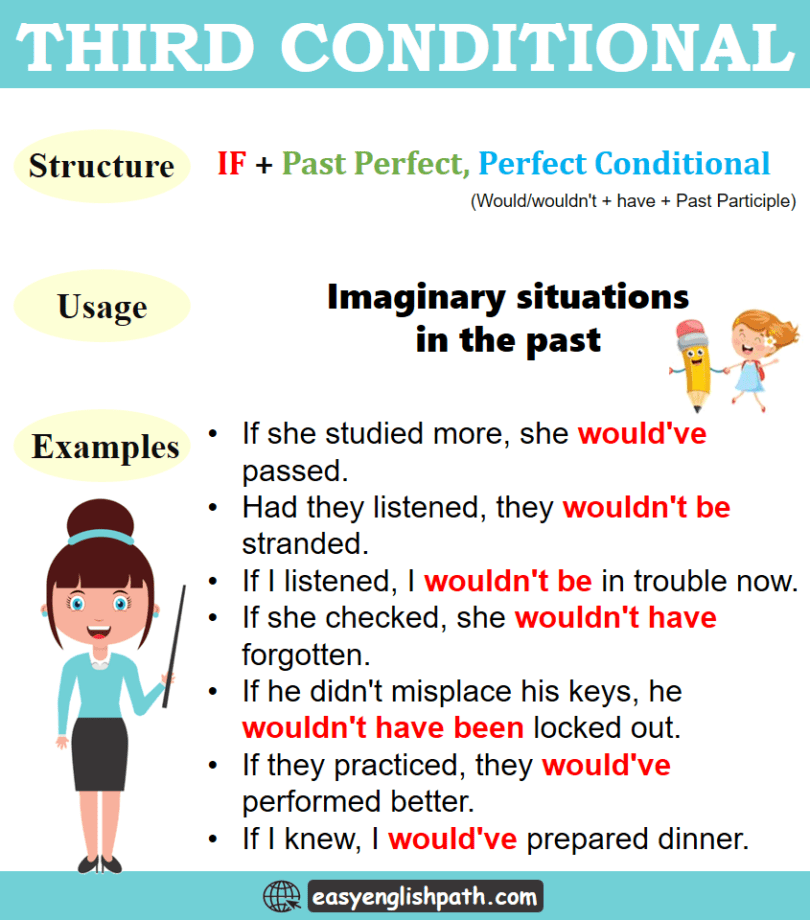
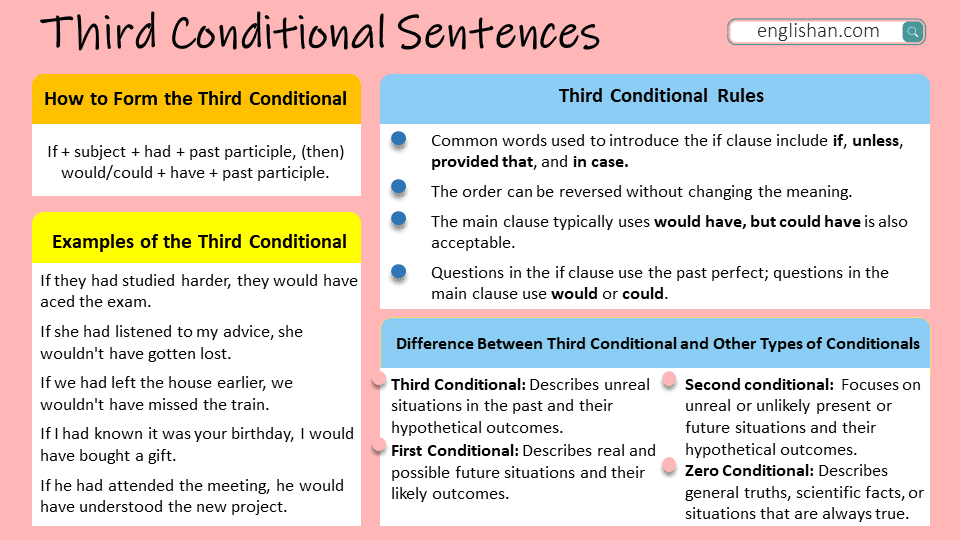
The third conditional is a grammatical structure used to describe situations that did not happen in the past and their hypothetical results. Unlike the second conditional, which talks about present or general unreal situations, the third conditional focuses exclusively on the past. Its basic pattern is if + past perfect, would have + past participle, linking a condition that failed to happen with a consequence that remained unreal.
For example, in the sentence If I had studied harder, I would have passed the exam, the condition had studied did not occur, so the result would have passed exists only in imagination. This structure highlights the distance between reality and an alternative timeline, making it ideal for reflections on missed chances or historical what‑ifs. Recognizing this pattern helps you identify when speakers are thinking backward about decisions, events, or circumstances that cannot be changed.
Forming the Third Conditional Correctly
To form the third conditional, you place the past perfect tense in the if‑clause and use would or could plus the past participle in the main clause. The if‑clause might appear at the beginning of the sentence, followed by a comma, or it might come after the main clause without punctuation. Whether you start with If she had called or She would have answered, the logical relationship between the unreal condition and its imagined result stays clear and consistent.
- If + subject + had + past participle, subject + would have + past participle.
- Subject + would have + past participle, if + subject + had + past participle.
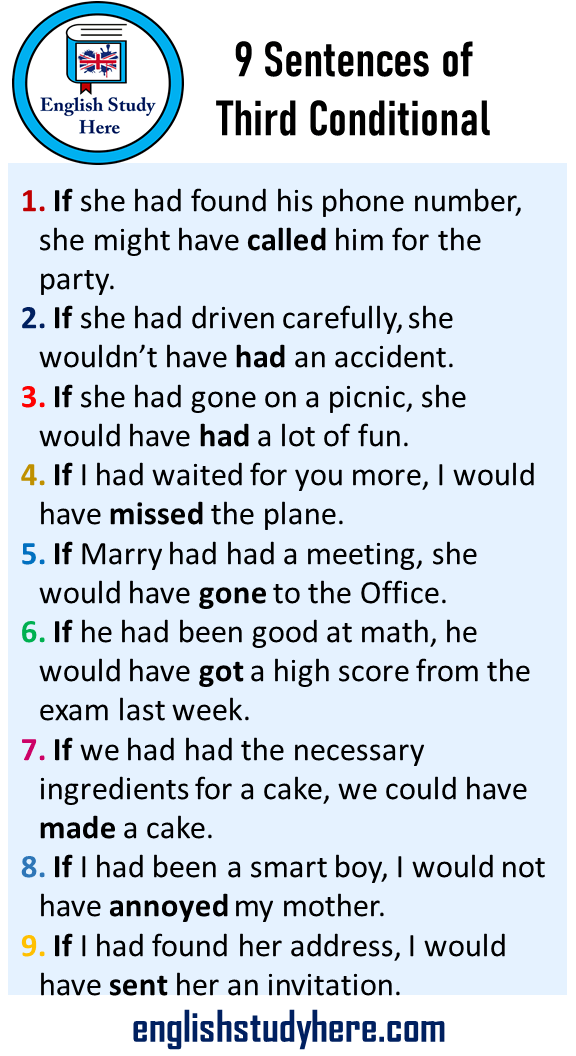
Pay attention to auxiliary verbs such as could, might, and should, which can replace would to express possibility, speculation, or advice in the past. For instance, If they had arrived earlier, we might have caught the train introduces an element of uncertainty, while If you had asked, I should have helped suggests a missed obligation. These subtle shifts change the tone and precision of your message.
Common Mistakes and How to Avoid Them
Learners often confuse the third conditional with the second conditional or mix tenses incorrectly, leading to sentences like If I would have known, I would tell you. The correct form should be If I had known, I would have told you, using past perfect in the condition clause instead of would have. Another frequent error is using the simple past in the main clause instead of would have, which breaks the logic of an unreal past consequence.
To avoid these mistakes, practice separating real past experiences from hypothetical ones. Real past uses if + simple past, past simple, while unreal past uses if + past perfect, would have + past participle. You can reinforce this by creating pairs of sentences that describe what actually happened and what might have happened under different conditions. Over time, choosing the right tense becomes more intuitive and your storytelling more accurate.
Third Conditional in Natural Contexts
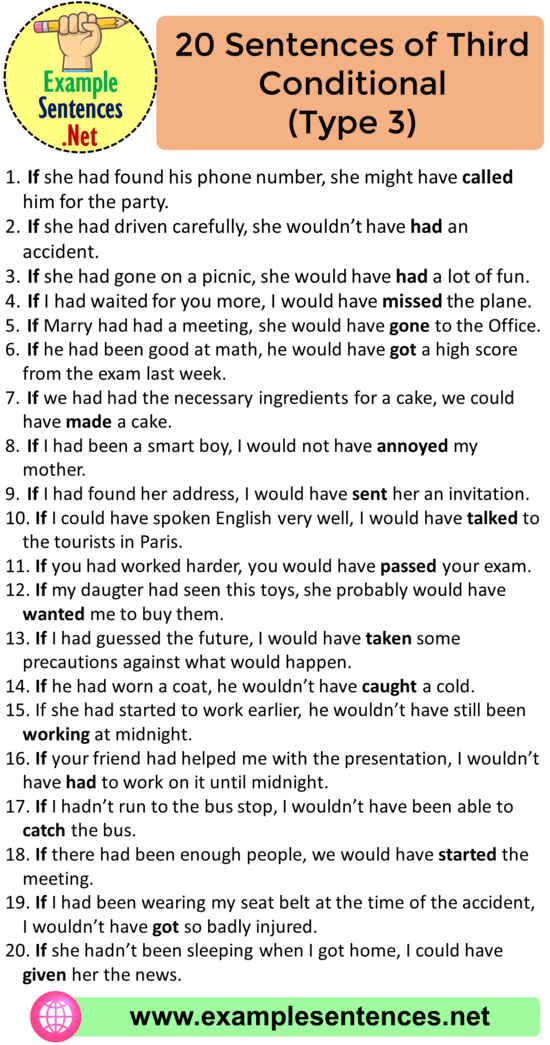
Native speakers often use the third conditional in conversations about regrets, apologies, and lessons learned. Phrases like If I had known you were coming, I would have cleaned the house convey both a factual situation and an emotional tone of missed preparation. In professional settings, colleagues might say If we had allocated more time, the project would have succeeded to analyze failures without assigning blame. These examples show how the structure softens criticism while still addressing causes and responsibilities.
Literature, film, and journalism also rely on the third conditional to explore alternate histories and deepen character analysis. A novelist might write If he had trusted her, their lives would have been entirely different to highlight a turning point in the plot. By presenting these unreal past situations, creators invite audiences to reflect on how small decisions can ripple into major consequences, making the third conditional a powerful tool for narrative impact.
Expanding Your Range with Related Structures
Beyond the classic third conditional, you can combine past unreal conditions with other modal verbs to add shades of meaning. Could have emphasizes ability or opportunity that was not realized, while might have stresses uncertainty about the result. Should have introduces an element of obligation or criticism, as in If you had listened, you should have understood the instructions. Mixing these modals allows you to express regret, possibility, and judgment with greater precision.
You can also link multiple conditions and results to describe more complex scenarios. For example, If they had invested in training and updated their equipment, the company would have retained its clients and expanded into new markets shows several unreal past actions leading to a broader hypothetical outcome. Practicing these variations helps you move from simple sentence patterns to more sophisticated explanations of cause and effect in the past.
Why Mastering the Third Conditional Matters
Mastering third conditional sentences enriches your ability to discuss the past with nuance, turning simple storytelling into thoughtful reflection. It allows you to acknowledge what actually happened while also exploring the emotional and practical implications of paths not taken. This skill is valuable in both personal conversations, where empathy and insight matter, and professional contexts, where analyzing decisions can guide future improvements.
As you continue to practice, focus on creating your own examples based on real experiences, imagining how different choices might have changed the outcome. Over time, constructing these sentences will feel natural, and you will find yourself communicating with greater confidence, clarity, and emotional intelligence. The third conditional is more than a grammar rule; it is a key to more reflective and precise expression.
Third Conditional Sentences + Examples | English Grammar Lesson
The third conditional is used to express regret and talk about things we wish we could change about the past (but we can't)! In this ...
